Our Research
Chronic pain is one of medicine's most stubborn problems, affecting one in five people worldwide. Progress finding new treatments has been slow partly because the spinal circuits that process pain remain poorly characterised; we do not yet know which neurons carry which signals, or how those signals can be selectively interrupted. Our research aims to close that gap.
We work across three interconnected themes
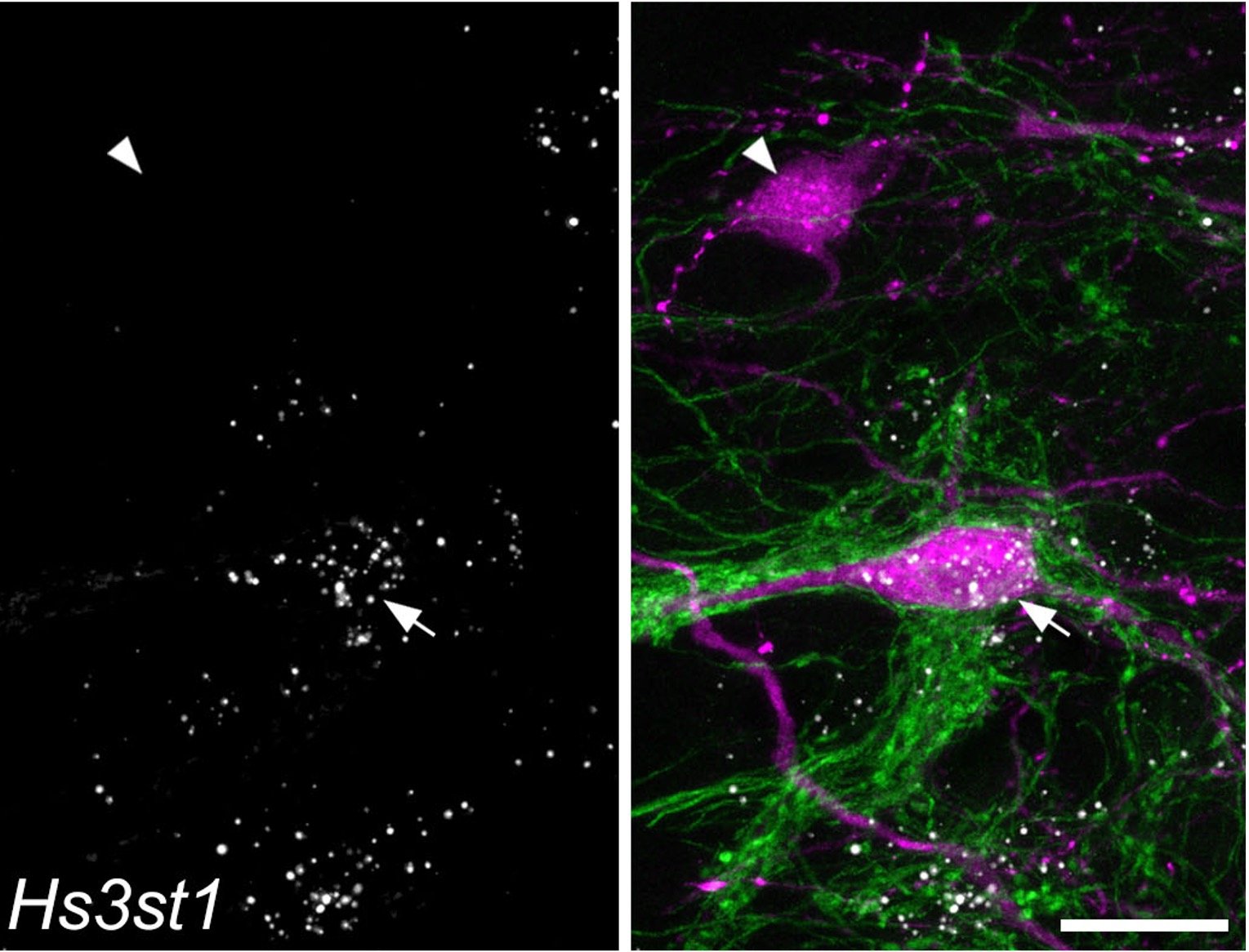
Spinal circuits for pain and itch
Using neuroanatomy, mouse genetics, high-resolution imaging and electrophysiology, we map the neurons of the spinal dorsal horn, identifying which cell types carry pain, itch and temperature signals to the brain, and how they can be targeted.
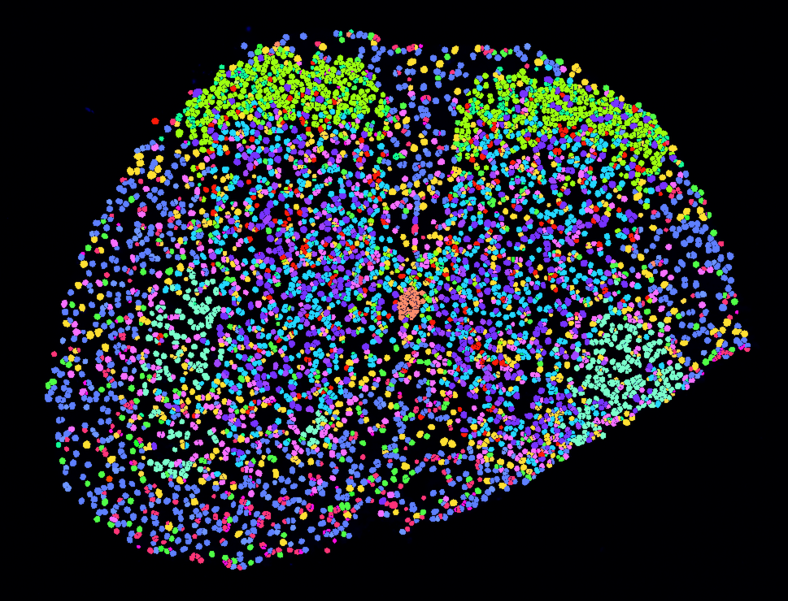
Molecular technologies
We apply single-cell RNA sequencing and spatial transcriptomics to dissect the molecular identity of sensory and spinal neurons at unprecedented resolution, revealing the genes and pathways that define each cell type and its role in pain signalling.
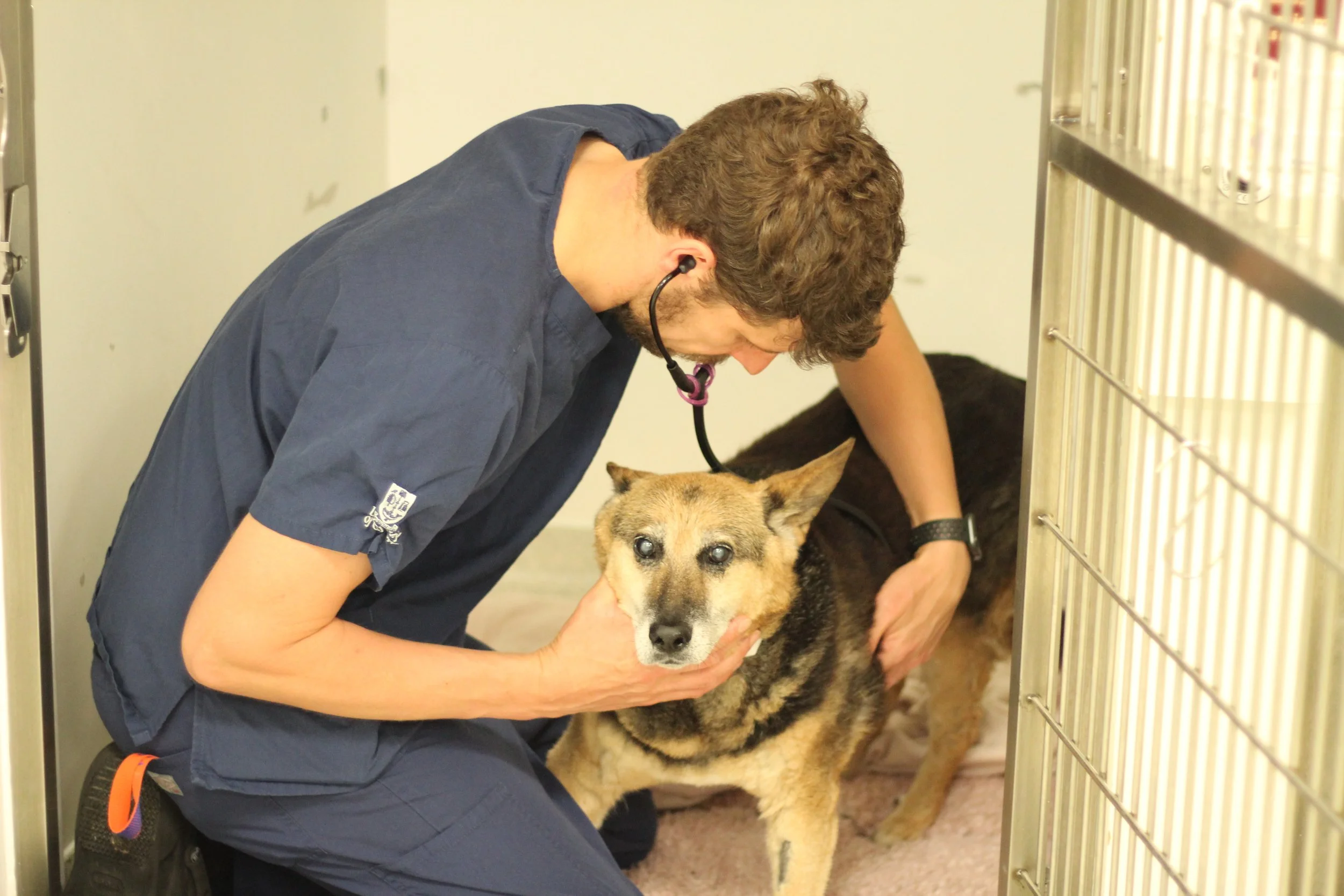
Cross-species translation
The lab is led by a veterinary clinician. We believe the domestic dog is an underutilised and uniquely powerful species for translational pain research. Dogs develop pain and itch conditions that closely mirror human disease. By profiling pain pathways alongside human and mouse data, we accelerate the path from cell-level discovery to clinical benefit for both people and for veterinary patients.